
Biography of George Woolsey Crane

George Woolsey Crane, a prominent publisher in the Midwest, passed away in Topeka on January 30, 1913. He founded the Crane Company, known for its fair practices and dedication to Kansas, publishing more books about the state than anyone else. Despite facing multiple setbacks, including devastating fires that wiped out his business, Crane’s resilience led to the establishment of one of the largest publishing houses west of the Mississippi. His legacy includes a significant impact on education and a deep commitment to the community, reflecting both personal and familial values.
Biography of David O. Crane

David O. Crane, born in 1842 in Easton, Pennsylvania, has served as superintendent of the Topeka Cemetery since 1884, demonstrating exceptional dedication and service. A Civil War veteran, he initially enlisted as a musician in the Second Regiment, Kansas Volunteer Infantry, participating in key battles. After the war, he served in various civic roles, including city clerk in Osage City, before managing the cemetery following his father’s death. A family man and community figure, Crane is also involved in numerous fraternal organizations and the Republican Party.

Biographical Sketch of Aaron Kerr Hannen

Aaron Kerr Hannen was born in 1854 in Pittsburg, Pennsylvania. He was the son of Henry and Amanda Kerr Hannen and received his education at Lafayette College. In 1882, he married Annie Piper DeArent and had one son, Harry A. Hannen, who resides in Los Angeles, California. Hannen dedicated thirty years to Berkshire Life Insurance Company in Pittsfield, Massachusetts, and was an active member of all Masonic bodies in Western Pennsylvania, as well as the Colonial Club.

Shawnee Tribe

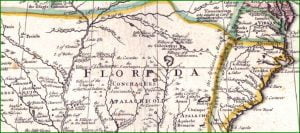
1710 Senex Map Portion

The Shawnee tribe, originally located in South Carolina, Tennessee, Pennsylvania, and Ohio, were known for their migratory nature and connections to other tribes. Their name reflects their southern origins, and they played a significant role in regional conflicts, particularly against the Catawba. Over time, they migrated northward, facing pressures from colonial settlers and rival tribes, eventually settling in Ohio. Their history is marked by alliances and conflicts, particularly in the context of the French and Indian War and the Revolutionary War, leading to eventual displacement and incorporation into various territories.