
Mound Builders

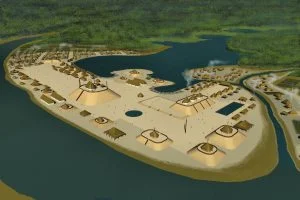
Bottle Creek Mounds

The post discusses the connection between ancient mounds in North America and the indigenous tribes, refuting the notion that these structures were built by a distinct race known as the Mound Builders. Evidence presented includes similarities in skull structure among various tribes and the fortified nature of their towns. Early European explorers observed these communities engaged in agriculture and crafting, challenging the idea of indigenous nomadism. The author argues that the mounds are the work of Native Americans, the true ancestors of today’s tribes, and emphasizes the importance of understanding their legacy.
Indian Mounds throughout North America

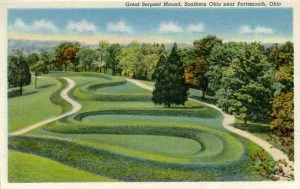
Great Serpent Mound Postcard

The region surrounding Lake Michigan was historically inhabited by skilled mound builders, including the Wyandots and Six Nations, who buried their deceased with treasures beneath earthen mounds. Excavations across North America, from Tennessee to Georgia, have uncovered European artifacts, suggesting cultural exchanges with early explorers. Similarities in mound structures and burial practices link the mound builders to contemporary Native American tribes. Mounds served varied purposes, including memorials and fortifications, reflecting the complex social practices of these ancient communities throughout the continent.

Aborigines of Mexico

Aztec Expansion

Upon European discovery, Mexico, then known as New Spain, revealed itself as a kingdom of sophisticated cities and advanced culture, distinct from the wilderness of North America. Under Montezuma II, the Aztec Empire thrived, but faced impending Spanish conquest. The Aztecs, despite their complex ethics and societal structures, engaged in practices such as human sacrifice. Early Spanish explorers, despite showing some humanity, were largely driven by greed. Following various expeditions, Hernán Cortés ultimately captured Montezuma, marking a pivotal moment in the Spanish invasion and the fate of indigenous civilizations.