A Fresh Look at Ocmulgee Bottoms

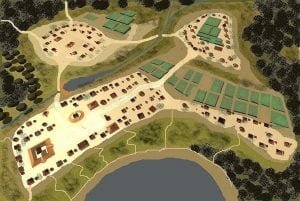
Ocmulgee in 1000AD

Many of the most fundamental assumptions by the Anthropology profession concerning the Pre-European history of the Lower Southeast were developed during the mid-20th century as a result of a massive, federally-funded excavation of archaeological sites near Macon, GA. While today, anthropologists, museums and the National Park Service present a united front stating that the body of knowledge, which resulted from the Ocmulgee Bottoms studies, was the result of comprehensive analysis, plus well-thought out consensus by some of the most brilliant men of their time, the truth is quite a bit different.
The Tamatli

Tama ulamako2

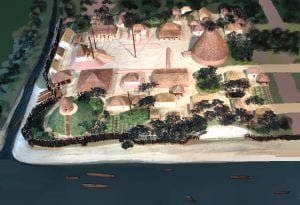
The Tamatli, a lesser-known branch of the Creek Indians, exhibited notable Mesoamerican influences evident in their language, architecture, and social organization. They spoke a dialect of Itsati, integrating several Mesoamerican words. Their dwellings, featuring three rooms, were adorned with pearlescent stucco. Historically located in southeastern Georgia, the Tamatli participated in various alliances and conflicts, including the Yamasee War. By the 21st century, their legacy is largely seen through connections with the Apalachee in Louisiana and other Creek affiliations, blending their history with that of larger tribal entities.