
Treaty of September 3, 1839

On September 3, 1839, a treaty was established at Stockbridge, Wisconsin, between the United States and the Stockbridge and Munsee tribes. The tribes ceded the eastern half of a 46,080-acre tract near Lake Winnebago for compensation. The arrangement allowed for some tribe members to emigrate west, with financial provisions made for both emigrants and those remaining. Additionally, funds were set aside for education and other purposes for the tribes, with stipulations for managing unliquidated claims between members.
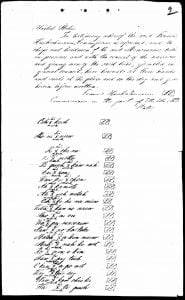
Treaty of February 5, 1856

The treaty of February 5, 1856, establishes an agreement between the United States and the Stockbridge and Munsee tribes to address ongoing dissensions and land disputes. It provides for the cession of their remaining land rights and the allocation of new land in Wisconsin, along with financial assistance for improvements and relocation. The tribes are divided between those preferring to remain in Wisconsin and those willing to relocate. The treaty aims to resolve past grievances and promote agricultural pursuits and eventual citizenship for tribal members.

Agreement of April 24, 1792

On April 23, 1792, President George Washington ratified an agreement with the Five Nations of Indians, which included the Seneca, Oneida, and others. The United States committed to investing $1,500 annually for their welfare, facilitating access to clothing, livestock, and farming tools, and encouraging skilled craftsmen to settle in their villages. This initiative aimed to promote the prosperity and happiness of these tribes. The agreement was formalized with Washington’s signature and the affixing of the United States seal, underscoring the government’s commitment to these nations.

Treaty of December 2, 1794

On December 2, 1794, a treaty was signed between the United States and the Oneida, Tuscorora, and Stockbridge Indians in recognition of their loyalty and support during the recent war against Great Britain. The treaty stipulated compensation, including $5,000 for individual losses, the construction of mills to support their communities, and funding for a church. In return, the tribes relinquished further claims for compensation, except for certain outstanding military commissions, marking a step towards acknowledging their sacrifices and rebuilding their lives post-war.

Treaty of November 11, 1794

On November 11, 1794, a treaty was proposed between the United States and the Six Nations of Indians to establish perpetual peace and friendship. The treaty acknowledged the land rights of the Oneida, Onondaga, Cayuga, and Seneca nations, while guaranteeing their property and allowing the U.S. to build roads through their territories. The U.S. committed to providing annual goods valued at $10,000 to support the Six Nations. Disputes were to be resolved through mutual complaint, fostering ongoing relations between the parties. However, the treaty was never ratified by the Senate.

Agreement of August 23, 1792

On April 23, 1792, President George Washington ratified an agreement with the Five Nations of Indians, which included the Senecas, Oneidas, and Stockbridge tribes, among others. The United States pledged to allocate $1,500 annually for the purchase of essential goods such as clothing and agricultural tools to enhance the well-being of these tribes. This agreement aimed to foster positive relations and support the development of useful trades within their communities, underscoring early American efforts towards diplomacy and cooperation with Indigenous peoples.

Treaty of November 24, 1848

On November 24, 1848, the Stockbridge tribe of Indians entered an agreement with the United States to relinquish their claims to a township of land in Wisconsin. This treaty followed previous legislation aimed at resolving citizenship and land issues for the tribe. By this agreement, the Stockbridge renounced benefits from earlier acts, agreed to an updated tribal census, and finalized a land cession. The U.S. promised financial compensation and support for relocation, along with provisions for the tribe’s future, securing their rights as recognized citizens.

Treaty of Sept. 3, 1839

On September 3, 1839, a treaty was signed between the United States and the Stockbridge and Munsee tribes, addressing land cession and compensation. The tribes relinquished over 23,000 acres of land near Lake Winnebago, with provisions for monetary compensation—totaling over $23,000. This included payments for improvements by the emigrating party and establishment of a school fund for those remaining. The treaty also allowed for a potential westward migration of part of the tribes, supported by the U.S. government.

Treaty of February 11, 1856

Page 5 - Treaty of February 11, 1856

On February 11, 1856, a treaty was finalized in Keshena, Wisconsin, between the United States and the Menomonee tribe. This agreement ceded a tract of land for the Stockbridge and Munsee tribes, ensuring their relocation near the Menomonee reservation. The United States committed to compensating the Menomonees for this land at sixty cents per acre, aiming to enhance their welfare. Provisions were included to promote the well-being of the Menomonees and uphold their interests, marking a significant legislative effort amid ongoing changes in tribal relations.

Stockbridge Tribe

The Stockbridge Tribe, part of the Mahican confederacy, originally known as Housatonic, inhabited the Housatonic River valley in Massachusetts. Their capital was Westenhuck. The tribe faced devastation during the French and Indian War, ultimately relocating to New York and then to Wisconsin, where they merged with the Munsee Tribe. Despite numerous treaties with the U.S., issues regarding land and citizenship persist. By 1909, the combined tribe numbered 582, with some remaining as citizens near Winnebago Lake.