
Yuchi Pipe Making

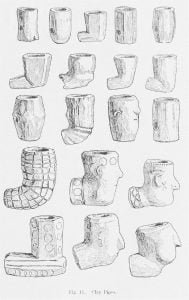
Fig. 11. Yuchi Clay Pipes

The Yuchi people historically crafted a variety of tobacco pipes from clay and other materials, with pipe making being an important cultural practice. Artisans shaped pipes using knives to create diverse forms, often embellishing them with effigy designs that reflect personal taste and traditional symbolism, such as representations of the Sun and frogs. These pipes, usually small in size, often show no signs of baking, as they gradually harden when used. Notably, modern Yuchi pipes bear similarities to ancient specimens found in burial mounds across the Southeastern United States.
Origin of the Medicine Pipe

In a time of old, a man mourned for his wife stolen by Thunder, a formidable force of nature. Despite the warnings from animals, he sought Thunder’s dwelling. He received aid from the Raven chief, who provided him with protective medicine. Emboldened, the man confronted Thunder and demanded his wife’s return. After a fierce encounter, Thunder conceded, offering a sacred pipe that would bring rain and prosperity. Thus, the people gained the first medicine pipe, establishing a vital connection with the powerful Thunder.

Indian Pipes

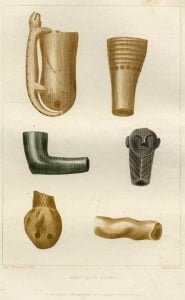
Antique Pipes - Plate 9

The American Indian’s pipe holds immense cultural significance, crafted from various materials, often elaborately sculpted. Smoking tobacco, a sacred ritual believed to have been bestowed by the Great Spirit, was integral to tribal customs and social interactions. Evidence of ancient smoking practices and pipe craftsmanship emerged notably in grave sites across regions such as the Scioto Valley and the Great Lakes. These artifacts reveal a deep connection between smoking and their spiritual beliefs, while showcasing the artistry comparable to more advanced civilizations of their time.

Household Utensils of the Plains Indians

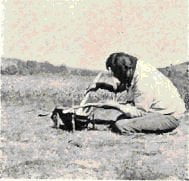
Fig. 30. Boiling with Hot Stones

Plains Indian tribes employed various methods for cooking before the introduction of metal pots and kettles, typically utilizing techniques such as boiling food in animal paunches or heated stones. Notably, tribes like the Blackfoot and Assiniboin demonstrated unique boiling practices, while others relied on methods like broiling and baking in holes. Household utensils included buffalo horn spoons and wooden bowls, with tools typically made from bone and stone. The advancement from traditional implements to metal tools occurred rapidly with European trade influences.