
One Hundred Years of the Moravians in Mayodan, North Carolina 1896-1996

One Hundred Years of the Moravians in Mayodan, North Carolina 1896-1996
The history of the Moravian Church in Mayodan, North Carolina, spans over a century, beginning with its formal dedication on November 29, 1896. The roots of the congregation trace back to a July 1895 religious service held outdoors in the village, led by two Moravians from Winston-Salem. This marked the beginning of what would become a central institution in the community’s spiritual life. The Mayodan Moravian Church played a vital role in the early development of the town, serving not only as a place of worship but also hosting the first school and library in the area. The church’s influence extended beyond Mayodan, contributing to the establishment of Moravian congregations in Avalon and Leaksville, North Carolina.
Moravian Massacre at Gnadenbrutten

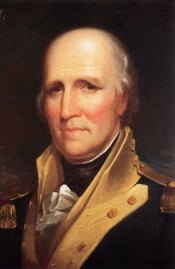
George Rogers Clark

In 1763, Moravian missionaries established missions among the Tuscarawa Indians. Despite maintaining neutrality during the Revolutionary War, they were perceived as threats by both American settlers and British allied Indians. In March 1772, a group of American frontiersmen, led by David Williamson, deceived and massacred 96 Moravian Indians—men, women, and children—at Gnadenbrutten. This brutal act was marked by a lack of empathy among the assailants, highlighting the brutal interactions between white settlers and Native Americans during this period of conflict.

Moravian Tribe

The Moravian Indians were primarily composed of Mahican, Munsee, and Delaware tribes who embraced Moravian teachings, forming separate villages. Missionary efforts began in 1740 in New York, later relocating to Pennsylvania to establish success in Friedenshuetten. Subsequent moves led them to settlements in Ohio, facing violence during the Revolutionary War, which resulted in massacres. Eventually, in 1791, they migrated to Canada, establishing Fairfield and later settling in Kent County, Ontario, where their population grew from 275 in 1884 to 348 by 1906.

The Delaware Indians

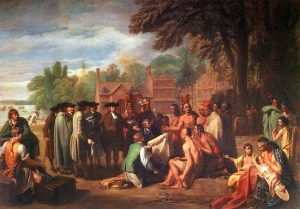
Treaty of Penn with Indians

The Delaware Indians, known as the Lenni Lenape, historically occupied parts of Pennsylvania and were significantly influenced by William Penn, who advocated for their rights and established peaceful relations. His famous treaty, made without conflict, emphasized mutual respect and fairness. Native chief Tamanend, or St. Tammany, gained respect among both Native Americans and colonists. During the Revolutionary War, divisions arose within the tribe, with some siding with the British, led by Captain Pipe, while others, under Captain White-Eyes, sought peace.