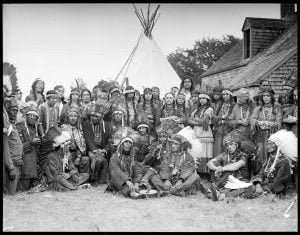
Black-Indian History
The introduction of black slaves to the New World in the early 1500s was largely to replace dwindling Indigenous labor forces. This led to significant intermixture between Black and Indigenous populations, particularly in South America and parts of North America like Martha’s Vineyard and Cape Cod. By the 19th century, many tribes, including the Mashpee and Shinnecock, displayed considerable racial mixing. While some tribes maintained a degree of distinct identity, intermarriage and cultural exchange between these groups became commonplace, influencing their demographics and social dynamics across regions.