
History of the Industries of Norwich VT
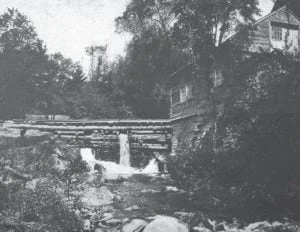
Knapp’s Mill, Norwich, Vermont

The industries of Norwich, VT, while not extensive, have displayed diverse characteristics since the late 18th century. Early establishments included grist and saw mills along Blood Brook, with ownership changing hands over the years. Other ventures featured tanneries, harness and trunk making, and the production of potash and furniture. Notable craftsmen, such as blacksmiths and boot makers, contributed to the local economy. Over time, businesses evolved, leading to the establishment of a creamery in 1888, which later became part of Hood Co.
Postmasters and Postal Service in Norwich Vermont

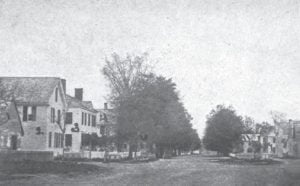
Norwich Vermont Street Scene

Norwich, Vermont, established its first post office on July 1, 1805, with Jacob Burton as postmaster. Operating from his harness shop, he managed limited mail, receiving only two weekly deliveries. By contrast, the volume of mail handled today far surpasses that of early 19th-century Vermont, and the postal system has evolved significantly since the state’s admission to the Union in 1791. Over the years, additional post offices were created throughout the area, reflecting the growth and changing needs of the community.

Norwich Vermont in the Civil War

During the Civil War, Norwich, Vermont, contributed 185 soldiers to the Union Army, representing over ten percent of its population of 1,759. Of these, 27 men died in service. The town provided substantial bounties totaling around $32,000 to support its troops. Although the community largely supported the war effort, some residents expressed disloyalty, yet over time, many reconciled their past by honoring the fallen soldiers on Memorial Days. Overall, Norwich’s commitment to the Union cause reflected a broader dedication seen throughout Vermont.

Biography of Charles Tracey

Charles Tracey, born on May 27, 1847, in Albany, is a prominent Democratic congressman known for his dedication to public service and strong community ties. Descended from a notable Irish lineage, he was educated at Albany Boys Academy and later served in military roles, including within the Pontifical Zouaves. Elected to Congress in 1887, Tracey championed significant projects like the Watervliet arsenal and the deepening of the Hudson River channel. His leadership and commitment earned him respect, leading to multiple re-elections and various local trustee positions.