Medicine Man – North American Indians

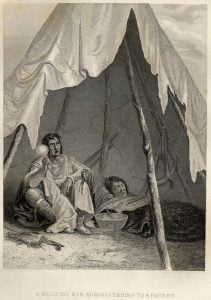
A Medicine Man Administering to a Patient - Plate 46

The Medicine Man holds significant cultural importance among North American Indians, originating from early French colonists’ misinterpretation of a tribal term. These figures conducted religious ceremonies aimed at appeasing spirits, with distinct tribal and individual medicines. The contents of sacred medicine bags, believed to embody protective powers, were closely guarded secrets. The process of creating individual medicine required isolation and spiritual reflection. Indigenous beliefs emphasized the constant struggle between good and bad spirits, influencing their actions and perceptions of fortune.
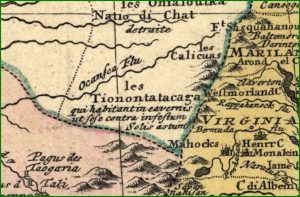
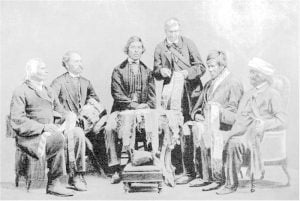
An Historical Sketch of the Tionontates or Dinondadies, now called Wyandots

les Tionontatacaga

The tribe which, from the time of Washington’s visit to the Ohio, in 1753, down to their removal to the West, played so important a part under the name of Wyandots, but who were previously known by a name which French write Tionontates; and Dutch, Dinondadies, have a history not uneventful, and worthy of being traced clearly to distinguish them from the Hurons or Wyandots proper, of whom they absorbed one remnant, leaving what were later only a few families near Quebec, to represent the more powerful nation.

Indian Wampums

Reading The Wampums

The post highlights the Indian tribes’ reliance on oral traditions and wampum as vital historical records, given their lack of written language. These wampums, made of beads and symbols, conveyed their history and values to future generations. The account emphasizes the loss of authentic Indian history due to extermination and the importance of wampum in preserving their past, including treaties and significant events like the formation of the Iroquois Confederacy. Ultimately, it reflects on the tragic decline of Native American civilization and its cultural heritage.

Mound Builders

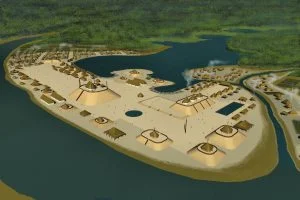
Bottle Creek Mounds

The post discusses the connection between ancient mounds in North America and the indigenous tribes, refuting the notion that these structures were built by a distinct race known as the Mound Builders. Evidence presented includes similarities in skull structure among various tribes and the fortified nature of their towns. Early European explorers observed these communities engaged in agriculture and crafting, challenging the idea of indigenous nomadism. The author argues that the mounds are the work of Native Americans, the true ancestors of today’s tribes, and emphasizes the importance of understanding their legacy.

Early Exploration and Native Americans

Ferdinand de Soto’s interactions with Native American tribes, specifically the Choctaws and Chickasaws, exemplify early European attempts to impose their ideologies of civilization and Christianity upon Indigenous populations. This approach set a precedent for further exploitation and oppression of Native Americans, as European settlers sought to acquire land and resources. Throughout history, tribes like the Chickasaws, known for their valor, remained steadfast allies rather than adversaries. This enduring alliance contrasts sharply with the overarching narrative of dispossession and extermination faced by Indigenous nations in North America.

The Discovery Of This Continent: It’s Results To The Natives

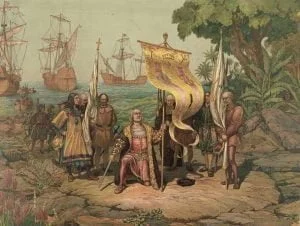
Columbus Landing on Hispaniola

In 1470, Christopher Columbus married Dona Felipa, daughter of a renowned navigator, and settled in Porto Santo, where they shared dreams of discovering lands to the West. Their ambitions fueled Columbus’s determination, leading to his 1492 voyage that resulted in the European discovery of the Americas. However, this event marked the beginning of devastation for native peoples, introducing warfare, disease, and colonization that would decimate their populations and cultures, ultimately transforming their rich, diverse societies into shadows of their former selves.