Indian Mounds throughout North America

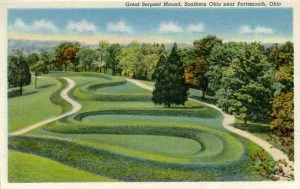
Great Serpent Mound Postcard

The region surrounding Lake Michigan was historically inhabited by skilled mound builders, including the Wyandots and Six Nations, who buried their deceased with treasures beneath earthen mounds. Excavations across North America, from Tennessee to Georgia, have uncovered European artifacts, suggesting cultural exchanges with early explorers. Similarities in mound structures and burial practices link the mound builders to contemporary Native American tribes. Mounds served varied purposes, including memorials and fortifications, reflecting the complex social practices of these ancient communities throughout the continent.
Slave Narrative of Frank Berry

Frank Berry, a 78-year-old man from Jacksonville, Florida, claims descent from Osceola, the last chief of the Seminole tribe. Born in 1858 to enslaved parents, he has limited memories of slavery, recalling a kind but impersonal master. Following the Civil War, he held various governmental positions, including U.S. Marshal. Berry recounts the complexities of African American life during and after slavery, including interactions with Native Americans. Now in reduced circumstances, he reflects on past successes and the dignity of his heritage while living with family.

The Florida Indians

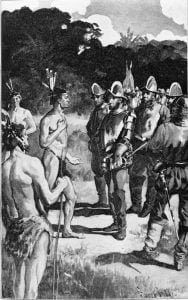
De Soto and Vitachuco

The history of Florida’s indigenous peoples and their interactions with European explorers and settlers is marked by conflict and resilience. Early figures like Juan Ponce de Leon and Lucas Vázquez de Ayllón sought wealth, leading to violent encounters with natives who fiercely defended their lands. The Florida Indians, noted for their agricultural skills and courage, faced significant devastation from European colonization. The subsequent Spanish and American incursions led to severe conflicts, culminating in forced removals and the eventual establishment of the Seminole identity, shaped by struggle and adaptation.