The Chickasaws

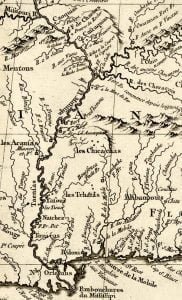
The history of the Chickasaw Indians, marked by conflict and resistance against European invaders, reflects the tragic narrative of many Native American tribes. Their initial encounter with Hernando De Soto in 1540 initiated a series of violent confrontations, highlighting their bravery amidst overwhelming odds. Despite being labeled “savages” by their conquerors, the Chickasaws showcased remarkable patriotism and valor. Their rich cultural legacy and the injustices they faced remain largely unchronicled, serving as a reminder of the complexities surrounding the interactions between Native Americans and European settlers.
Chickasaw Religion

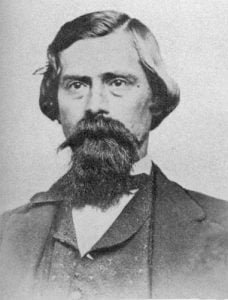
Holmes Colbert

The Chickasaws, unlike the Choctaws, approached natural phenomena like eclipses rationally, viewing them as “sun hidden” rather than omens. Their history includes the notable town of Pakitakohlih, where De Soto’s army wintered in 1540. The Chickasaws fiercely defended their land against French incursions but eventually faced forced removal, leaving behind cherished memories of their homeland. Despite hardships, they maintained their spiritual beliefs and rebuilt their society, demonstrating resilience and determination. Nevertheless, their struggles intensified with further encroachments on their territory and autonomy.

Vaundreuil and the Chickasaws

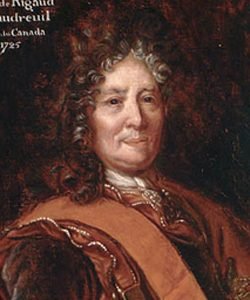
Philippe de Rigaud Vaudreuil

On May 10, 1743, the Marquis of Vaudreuil assumed control of French Louisiana, rejecting peace proposals from the Chickasaws unless they expelled English traders and coordinated with the Choctaws. Despite their attempts for peace, Vaudreuil sought to incite hostilities between the Chickasaws and Choctaws, ultimately igniting a civil war. The Choctaws, influenced by French and English manipulation, faced devastating losses. By 1750, they accepted humiliating peace terms while the Chickasaws continued to resist, indicating the destructive impact of colonial rivalries on Indigenous peoples.

The Chickasaw War of 1739

Chickasaw Wars

The Chickasaw War of 1739 was fueled by French manipulations, leading to a prolonged conflict between the Chickasaws and the Choctaws, which had begun in 1737 without clear gains for either side. Bienville, determined to eradicate the Chickasaws after previous defeats, sought Choctaw support and managed to persuade many tribes to ally with the French. However, logistical failures and disease plagued the French campaign. Ultimately, peace was declared, with the Chickasaws maintaining their independence, despite ongoing tensions and hostilities instigated by the French.

Gov. Perier and Bienville

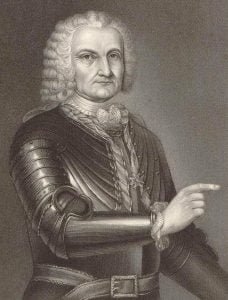
Bienville

The English colonists, wary of French expansion along the Mississippi, fostered conflicts between French and Native American tribes, particularly igniting animosity with the Chickasaws after a failed French escort led to their warriors’ deaths. Bienville, the French governor, attempted to use the Choctaws against the Chickasaws but faced significant resistance. Subsequent military expeditions by both Bienville and d’Artaguette ended in disastrous defeats against Chickasaw defenses. Ultimately, the Chickasaws showcased their resilience, marking critical victories that hindered French ambitions in the region.

Early Exploration and Native Americans

Ferdinand de Soto’s interactions with Native American tribes, specifically the Choctaws and Chickasaws, exemplify early European attempts to impose their ideologies of civilization and Christianity upon Indigenous populations. This approach set a precedent for further exploitation and oppression of Native Americans, as European settlers sought to acquire land and resources. Throughout history, tribes like the Chickasaws, known for their valor, remained steadfast allies rather than adversaries. This enduring alliance contrasts sharply with the overarching narrative of dispossession and extermination faced by Indigenous nations in North America.